ServicesRoof Inspections
Roof Inspections in Macclenny, From Shingles to Attic
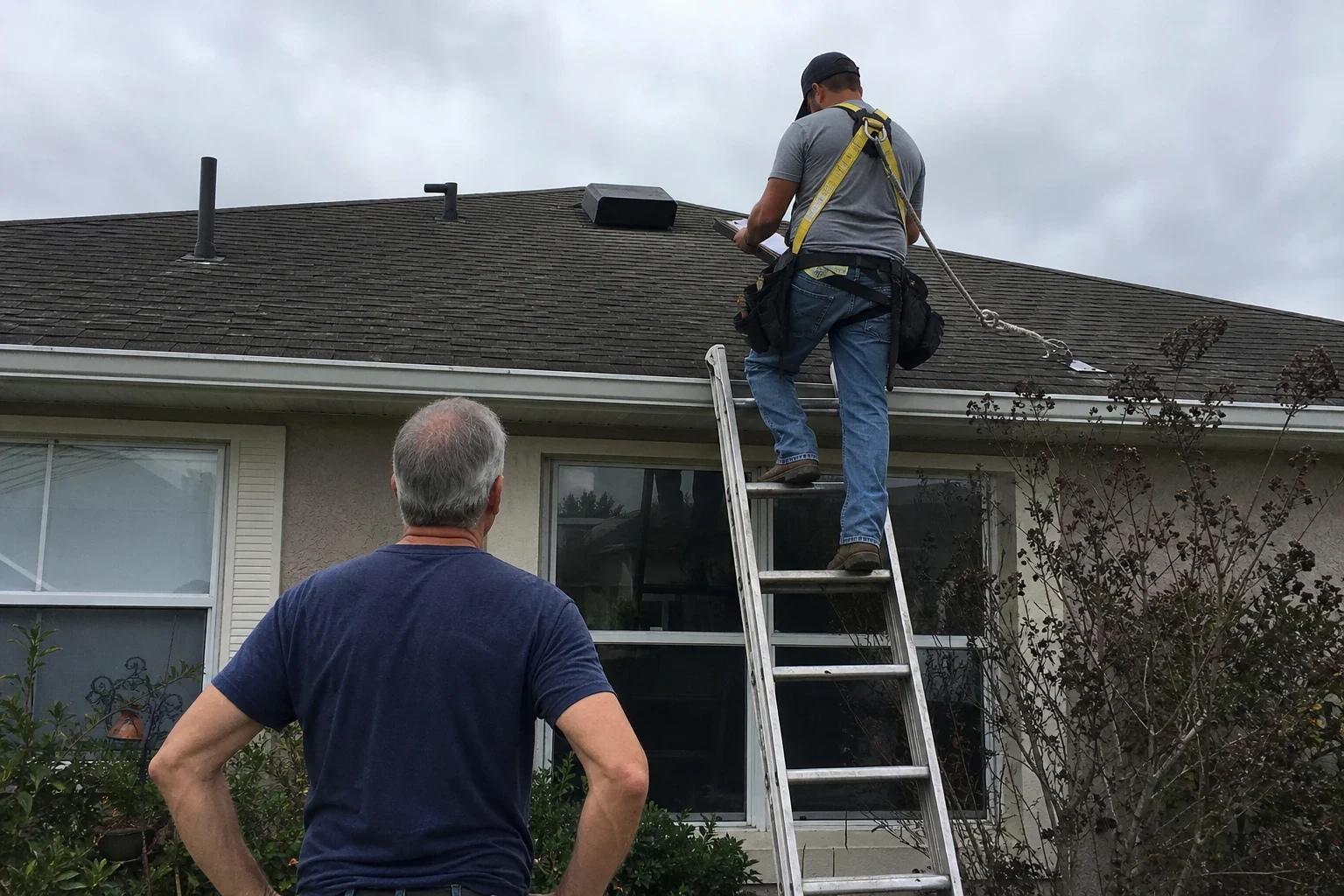
We look at your roof the way it actually works: the surface, the flashing and seals, and the attic underneath where heat and moisture collect. You get photos, a plain account of what we found, and an honest view of what needs attention now and what can wait.
What a careful inspection tells you
A roof rarely fails all at once. Granules wash off, a pipe boot cracks, a nail backs out and lifts a shingle. Each is small on its own, and each is far cheaper to deal with before water reaches the decking. An inspection finds those early changes and puts them in order of importance.
We also spend time in the attic, because that is where a roof shows how well it is working for your home. Blocked soffit vents, a missing ridge vent or damp insulation all make an attic run hotter, and through a long North Florida summer that heat presses down into the rooms below and keeps the air conditioner working. When we see it, we tell you, and we explain whether correcting it is worth the cost.
Most people call us after a storm, before buying or selling a home, or when the roof is past its middle years and they simply want to know where it stands.
What we check on every visit
- The roof surface
- We walk the roof where it is safe to do so and look for granule loss, lifted or creased tabs, cracking, loose fasteners and soft decking underfoot. On steep or fragile roofs we work from the ladder and edges and photograph what we cannot reach.
- Flashing and penetrations
- Water tends to get in wherever something passes through the roof or two surfaces meet. That means the metal around a chimney, along sidewalls and down the valleys, and the rubber collars that seal each plumbing vent pipe. We check every one for rust, bends, dried and split sealant, and fasteners that have worked loose.
- Attic airflow and insulation
- We look at intake and exhaust vents, check for daylight where there should be none, and note staining, mold or flattened insulation. Poor airflow ages shingles from below and adds to cooling costs, so we give it real attention.
- Gutters and drainage
- Clogged or sagging gutters push water back under the drip edge and soften fascia boards. We note what we find and tell you whether our gutters service would help.
- Photos and a written summary
- You receive photos of each concern and a summary in everyday language, sorted into what needs attention now, what to watch, and what is in good shape.
Signs your roof is due for a closer look
Stains on a ceiling or closet wall
Yellowed drywall or paint that has started to blister tells you water has been finding its way in, often for months. The actual entry point is frequently a few feet uphill of the mark.
A storm with strong wind
Wind lifts shingle edges and breaks the seal strip even when nothing looks missing from the ground. A free post-storm inspection tells you whether anything needs repair or an insurance claim.
Upstairs rooms that never cool down
When a bedroom stays warm long after sunset, trapped attic heat is a common cause. We check ventilation and insulation as part of the visit.
Granules in the gutters
A handful of shingle grit after a heavy rain is normal on a new roof. Steady piles on an older roof mean the shingles are wearing thin.
A roof you know little about
If you bought the house without a roof history, an inspection gives you a starting point and a sense of the years left.
How pricing works for an inspection
There is no charge for an inspection after a storm, and no charge for the estimate on any work we recommend from it. Other inspections, such as one tied to a home sale, are priced by how much roof and attic we need to cover and what the report has to include. You hear that price on the phone before anything goes on the calendar.
Roof size and pitch
A larger or steeper roof takes longer to cover safely and may need extra equipment to reach every slope.
Getting into the attic
How we reach the attic changes the time involved. A fold-down stair in a hallway or garage gets us up in minutes, while a narrow hatch at the back of a closet or a shallow space we have to crawl through takes noticeably longer.
Roof type
Metal roofing calls for a close look at fasteners, washers and panel seams, while shingle roofs need attention to seal strips and granule wear. Each takes its own kind of time.
Report detail
A buyer, seller or lender sometimes needs a more formal written report than a homeowner checking on their own roof.
How an inspection visit runs
- 1
A short phone call
Tell us what prompted the call and anything you have noticed inside or out. We settle on a time that suits you.
- 2
Outside, then up top
We start with a walk around the house to look at the roofline, gutters and fascia, then go up to check the surface, flashing and vents.
- 3
Into the attic
With your permission we go into the attic to look at the underside of the decking, the ventilation and the insulation. We lay down a drop cloth below the hatch and close it as we found it.
- 4
Going over what we found
We show you the photos and talk through each item. If something needs roof repair or a larger conversation about roof replacement, we explain why and give you a free, no-obligation estimate, with no pressure to decide that day.
Roof inspection questions
Is the post-storm inspection really free?
Yes. After a storm we inspect your roof at no charge and with no obligation. If we find damage, the estimate for repair is free as well.
Do I need to be home during the visit?
For the roof itself, no. For the attic we do need someone to let us in, so most people plan to be home. Most visits take a couple of hours or less, depending on the size of the roof and how easy the attic is to reach.
Will you help with my insurance claim?
Yes. When storm damage leads to a claim, we deal with your adjuster ourselves and share what we documented. Our photos and notes show each problem and where it sits on the roof, so the adjuster has a clear record to review. The adjuster and your insurer decide what the policy covers, and we explain each step as it comes.
Can an inspection help with my cooling bills?
Sometimes. If the attic is short on ventilation or the insulation is damp or flattened, correcting it can let the attic shed heat and ease the load on your air conditioner. If the attic is already in good shape, we will say so rather than suggest work you do not need.
What happens if you find a problem?
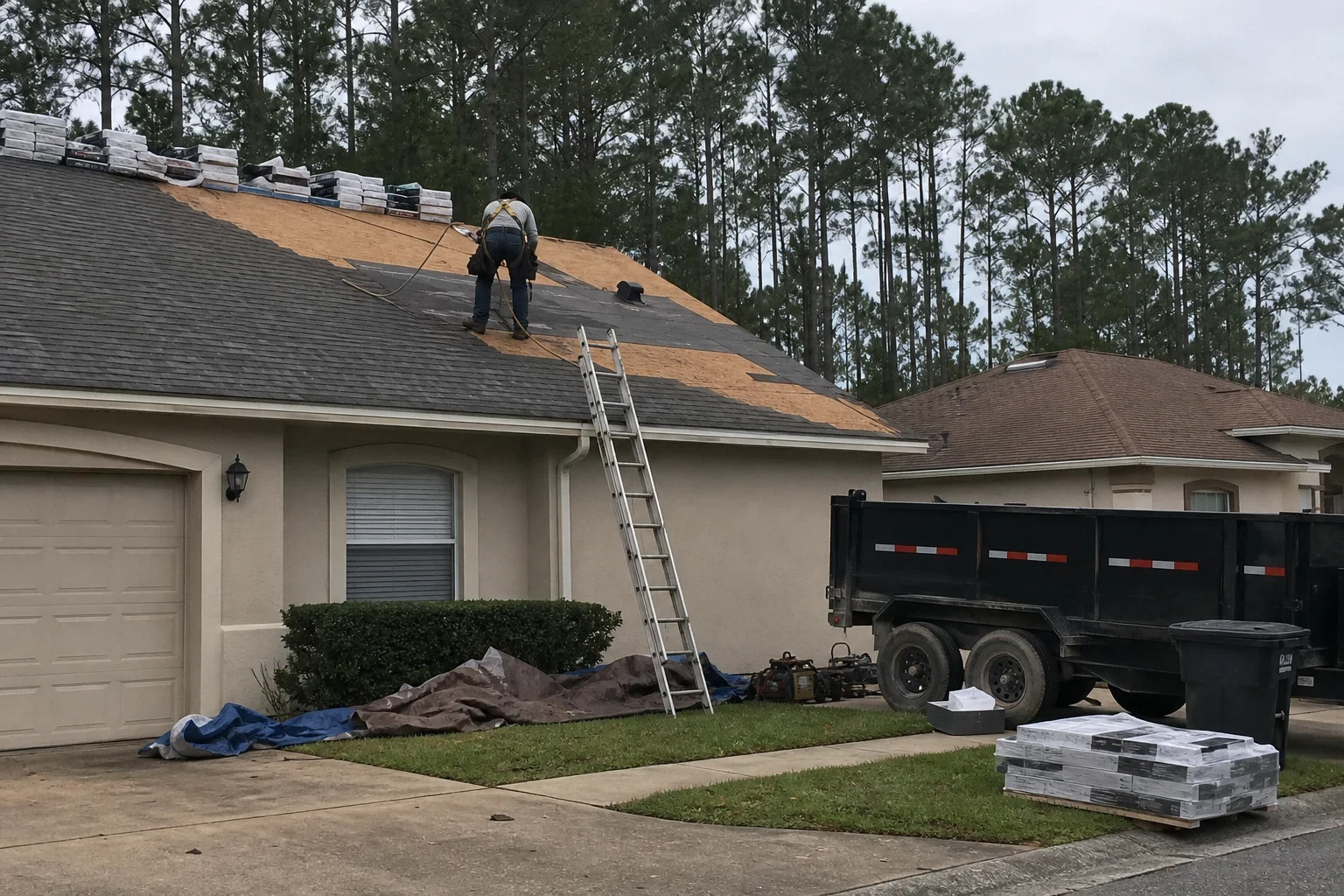
We walk you through the photos and give you our honest read: whether a targeted fix is the sensible choice, or whether the roof has worn to the point where replacing it makes more sense. The estimate is free and carries no obligation. Financing is available for larger work.
Find out where your roof stands
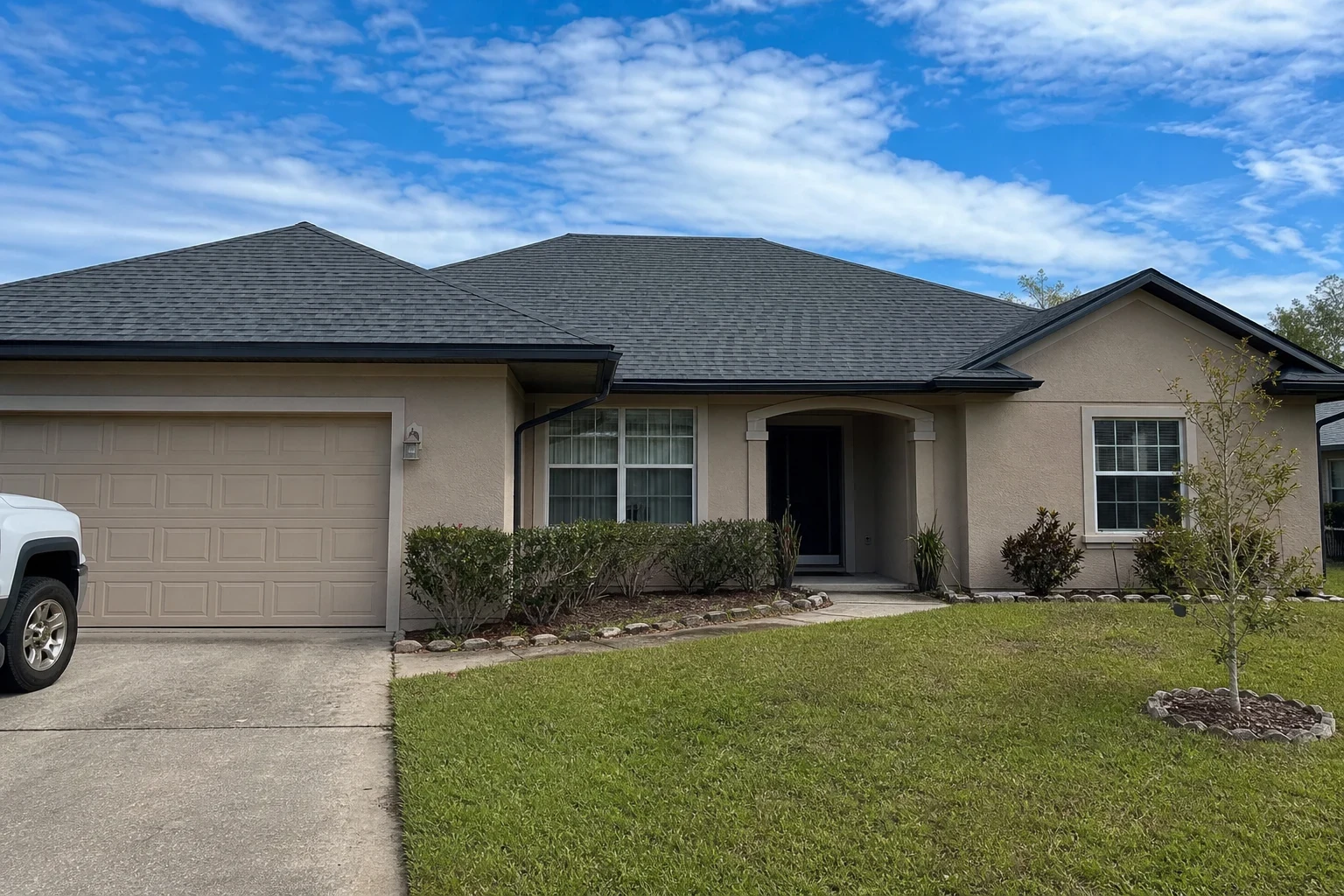
A calm, careful look now is the simplest way to avoid a surprise later. We will tell you what we see and leave the decision with you.